Total Lifting Lift Service & Trouble Shooting
Your Lift Your Guide
Our lifts Have Evolved Over Time
Yet at the core, remain the same
Mechanical Design
Remains the same, improving overtime for improved installation, service & long term reliability
Electrical Design
Our lifts evolved overtime, starting with CANBUS communications, Then switching to IO communications and a new style PLC
2 post, 4 post
There are 2 core design types, based on capacity of lift requirements, both run the same electrical design.
Lift Support
Click To Learn More
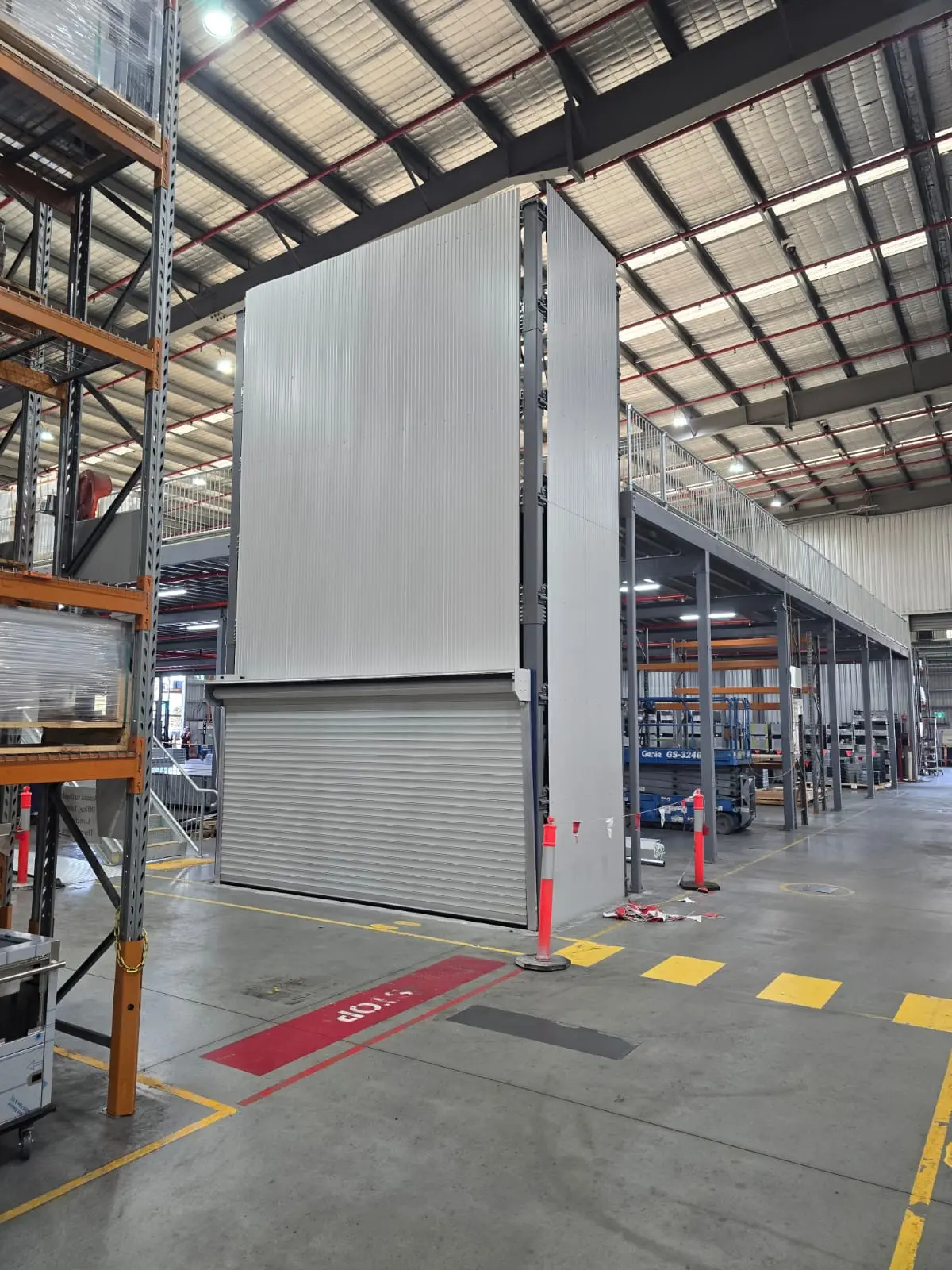
My Lift Isn't Working
On the front of the main control panel we began to add an inspection hole. This hole allows you to see the state of the variable speed drive. If it is displaying a solid STOP, technically, the lift is ready to go. If the display is flashing U, there is a safety circuit issue, either a door is open still or an E Stop button is pressed in, on some lifts, there is a blue reset button which also needs to be pressed as part of the restart process.
Overtime Total Lifting have followed two strategies to control or operate a lift, button control was the 1st method. If your lift is using button boxes to control...
Later lifts started to use touch screens which allowed us to give you more insights from the field, if you have touch screen control...
Doors can be the real root cause of many issues and sometimes whilst a door is closed, it is not necessarily having it's door switch correctly aligned
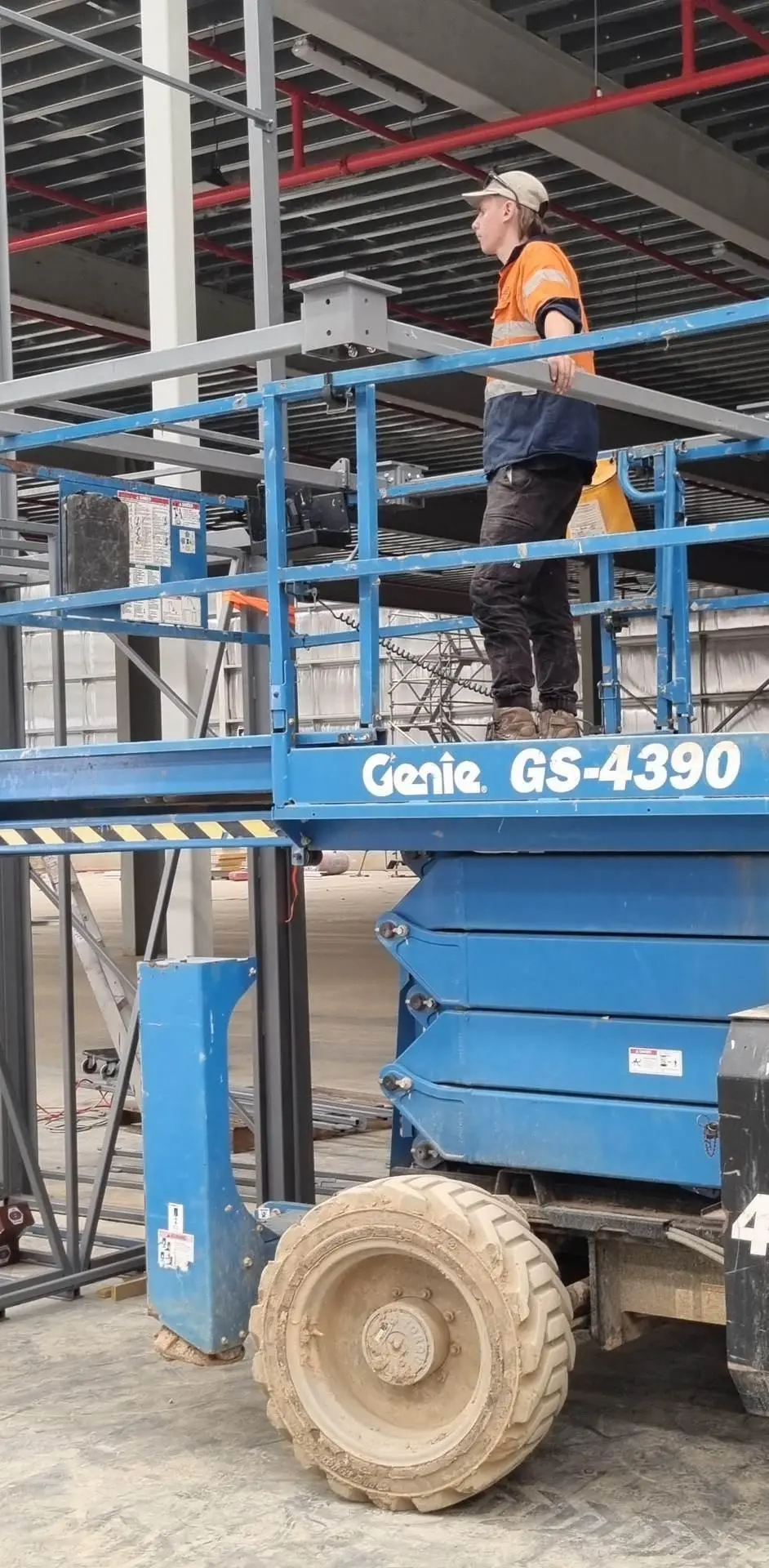
Routine Inspections
Inspection periods very based on usage, On later lifts, we added Touch screens, and these have usage monitors built in. If there is no known usage, the lift needs to be inspected every 3 months, if usage is known, that can vary.